

Celebrate the Story of Freedom
Passover is one of the most meaningful holidays in the Jewish calendar. Each year, Jewish families gather around the Seder table to retell the story of the Israelites’ journey from slavery in Egypt to freedom.
At Temple Adat Elohim, Passover is a time for our community to come together to reflect, celebrate, and share traditions passed down through generations. Through symbolic foods, songs, questions, and storytelling, the Passover Seder brings the ancient story of the Exodus to life.
Whether you’re hosting your first Seder or continuing a lifelong tradition, Passover invites us to gather with family, friends, and community to remember our past, celebrate freedom, and pass this powerful story on to the next generation.
The Meaning of Passover
Seder means “order,” but the Passover Seder is about much more than the steps of a meal. It is a celebration of freedom, tradition, and community.
As we gather around the table to retell the story of our journey from Egypt to the Promised Land, we are reminded of the power of coming together, the beauty of shared stories, and our connection to generations past.
Through songs, prayers, questions, and meaningful rituals, the Seder invites us to reflect on our history, celebrate our resilience, and strengthen the bonds that unite us.
Passover reminds us that every generation has a role in carrying this story forward.
What Happens at a Passover Seder?
The Passover Seder is a meaningful and interactive tradition that brings the story of the Exodus to life.
- Read from the Haggadah, which tells the story of the Exodus
- Eat symbolic foods from the Seder plate
- Ask the Four Questions
- Sing traditional Passover songs
- Share a festive meal with family and friends
Each ritual helps us remember the journey from slavery to freedom and pass the story to the next generation.
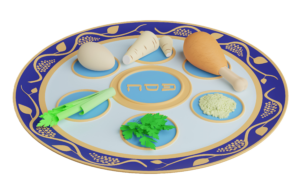
Passover Traditions
Passover traditions use symbolic foods and rituals to tell the story of the Exodus.
Matzah
reminding us that the Israelites left Egypt in a hurry.
Maror (Bitter Herbs)
Represents the bitterness of slavery.
Charoset
A sweet mixture symbolizing the mortar used by the Israelites when they were enslaved in Egypt.
Four Cups of Wine
Each cup represents a promise of redemption and freedom.
These traditions transform the Passover Seder into a powerful storytelling experience that connects past, present, and future.Find out more from the URJ >>
Passover TAE Quick Links:
Homepage
Women’s Seder
Yizkor
Resources
Wishing you a meaningful and joyful Passover from Temple Adat Elohim.