Explore Morocco with Rabbi Diamond!
Follow along as Rabbi Diamond shares highlights, discoveries, and reflections from TAE’s congregational journey through Morocco.
Quick Links
Our Journey Begins
Greetings from Casablanca!
Today, our congregational journey through Morocco began in earnest as we explored Casablanca, a bustling seaside city with a rich Jewish history.
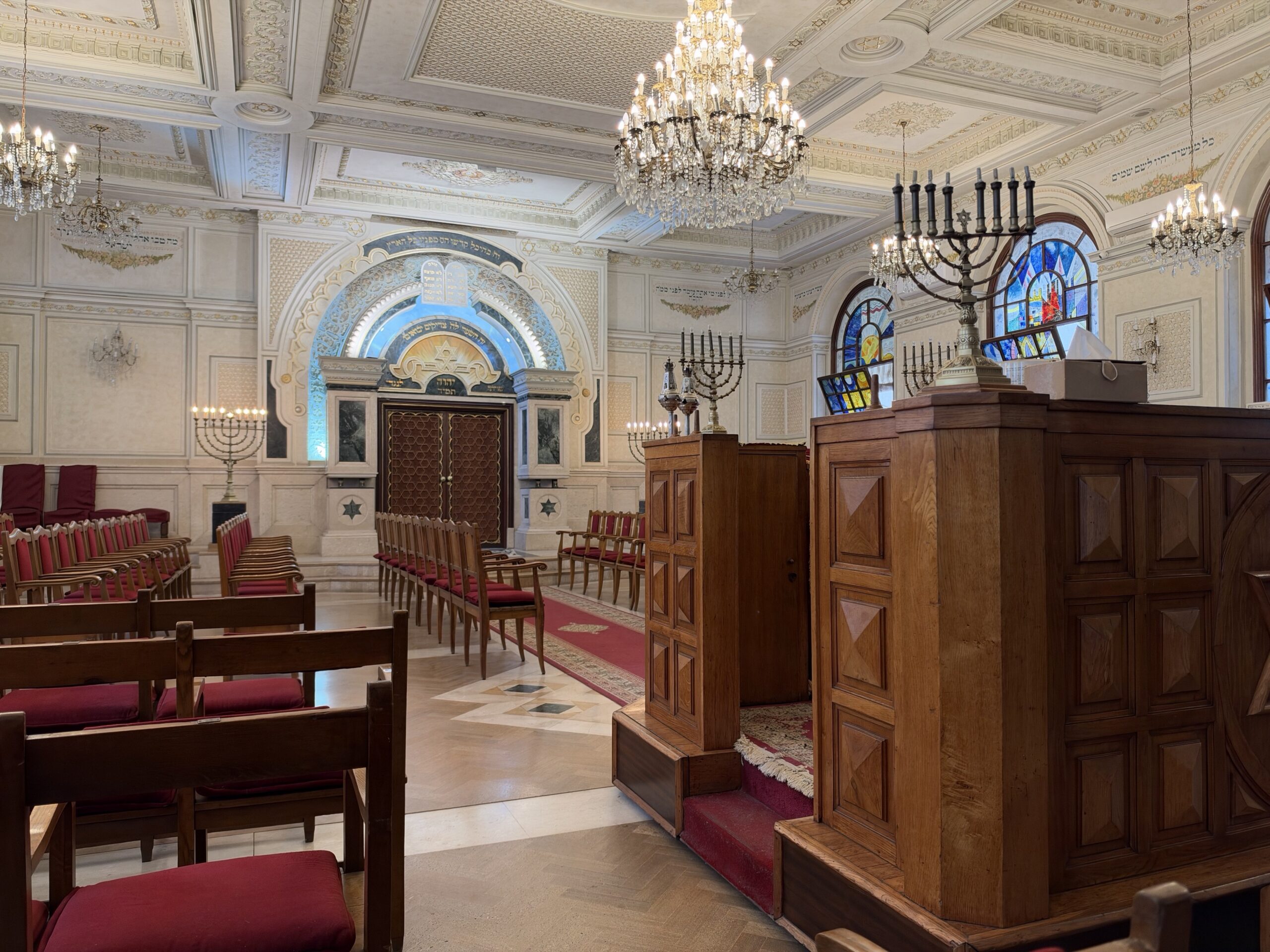
Our first stop was one of Casablanca’s active synagogues, just a short walk from where we began our tour. This beautiful synagogue reflects the Sephardic tradition, with the bimah positioned in the center of the sanctuary rather than at the front. Today, the synagogue is operated by Chabad, a reminder that Jewish life continues in Morocco, even though the once-thriving Jewish community is now much smaller.
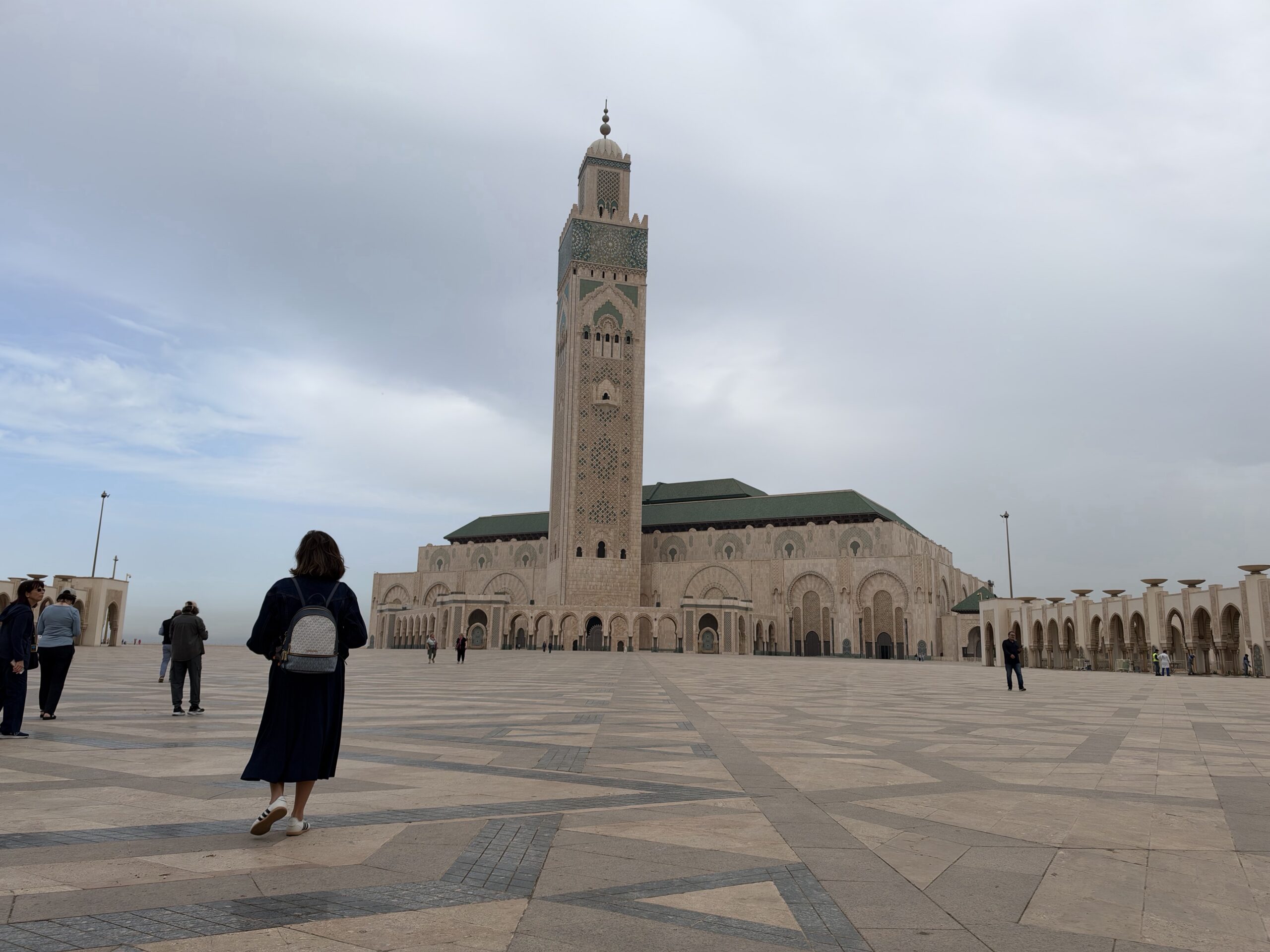
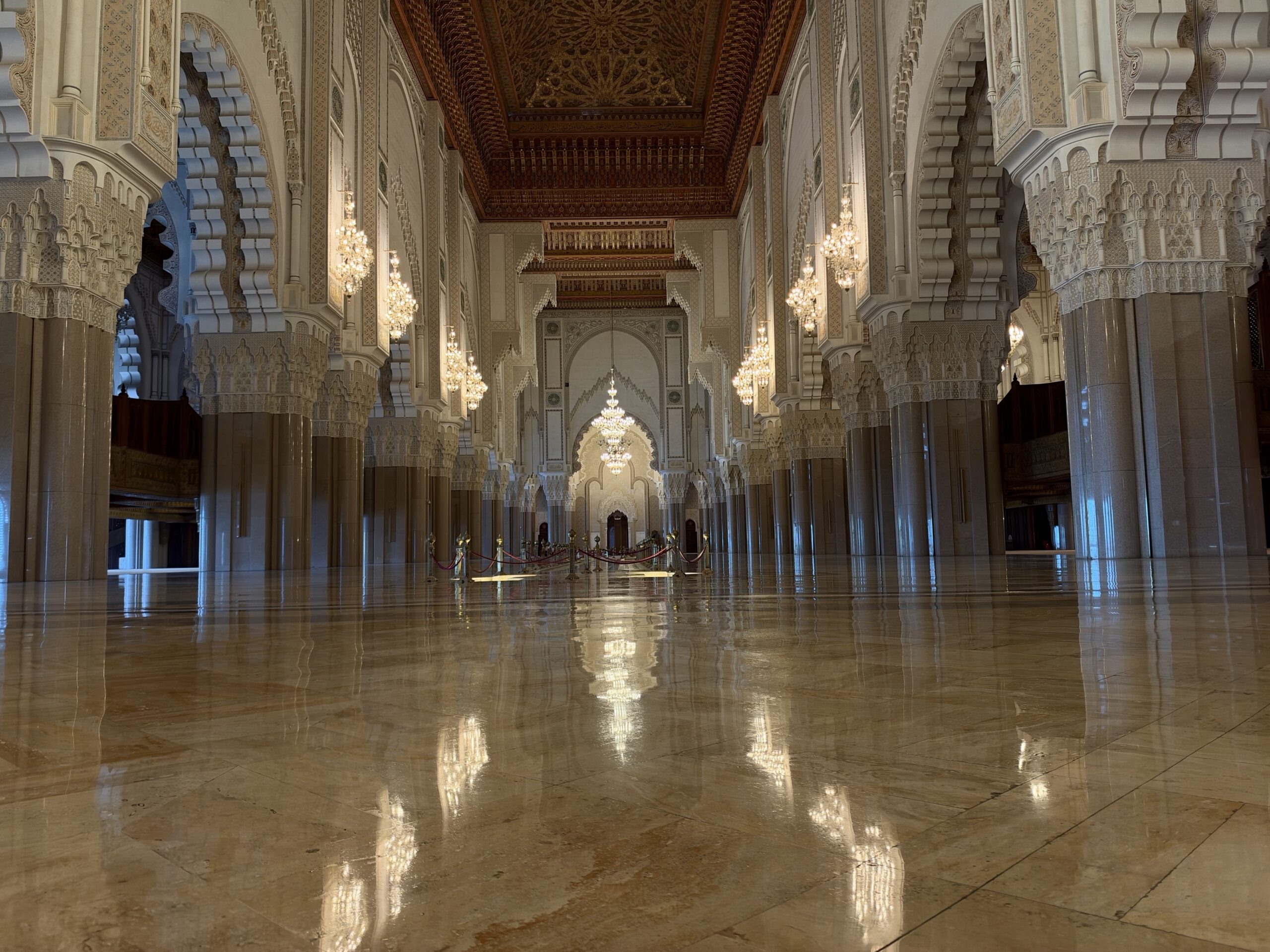
From there, we traveled to the magnificent Hassan II Mosque, one of the largest mosques in the world. Built beginning in the late 1980s, this extraordinary structure stands partly over the Atlantic Ocean, inspired by a passage in the Qur’an describing God’s throne as resting upon the water. The mosque can accommodate approximately 25,000 worshippers inside and more than 100,000 in its surrounding courtyards. Its sheer scale, intricate craftsmanship, and breathtaking setting make it an unforgettable sight.
Our next stop was the bustling fish market, filled with the sights, sounds, and smells of Casablanca’s daily life.
There is something especially meaningful about beginning our journey with visits to both a synagogue and a mosque. Morocco has a long and complicated history of Jewish-Muslim coexistence, and we are here not only to see its beautiful places but also to learn about the relationships, traditions, and communities that have shaped this country.
All of this unfolds against the backdrop of what feels like a fateful and decisive time for Israel. Even as we travel far from home, our hearts and thoughts remain connected to the Jewish people and the State of Israel. We pray that the people of Israel and their leaders will be guided by wisdom, responsibility, and a commitment to a peaceful and secure future.
It is a powerful beginning to our journey, and I look forward to sharing more of our experiences with you in the days ahead.
Click on each image to enlarge.
Discovering the Jewish Heritage and Artistry of Fez
Today, our congregational journey through Morocco took us to the historic city of Fez, where we explored both the rich Jewish history of the city and the remarkable craftsmanship for which it has been famous for centuries.
We began in the Mellah, the historic Jewish quarter of Fez. The word mellah literally means “salt,” and one explanation for the name is that salt was once processed or stored in this area. Unlike the Jewish ghettos of Europe, the Mellah of Fez was established near the royal palace, where the Jewish community could receive the protection of the sultan. Its gates could also provide security for residents, although life within the Mellah was not always free from restrictions or persecution.
We visited the ancient Jewish cemetery, where generations of Moroccan Jews are buried, including prominent rabbis and other important figures in the community’s history. Walking among the graves was a powerful reminder that Jewish life flourished here for centuries. We also visited a new Jewish museum in the Mellah, which helped us better understand the traditions and experiences of a community that was once such a vital part of this city.
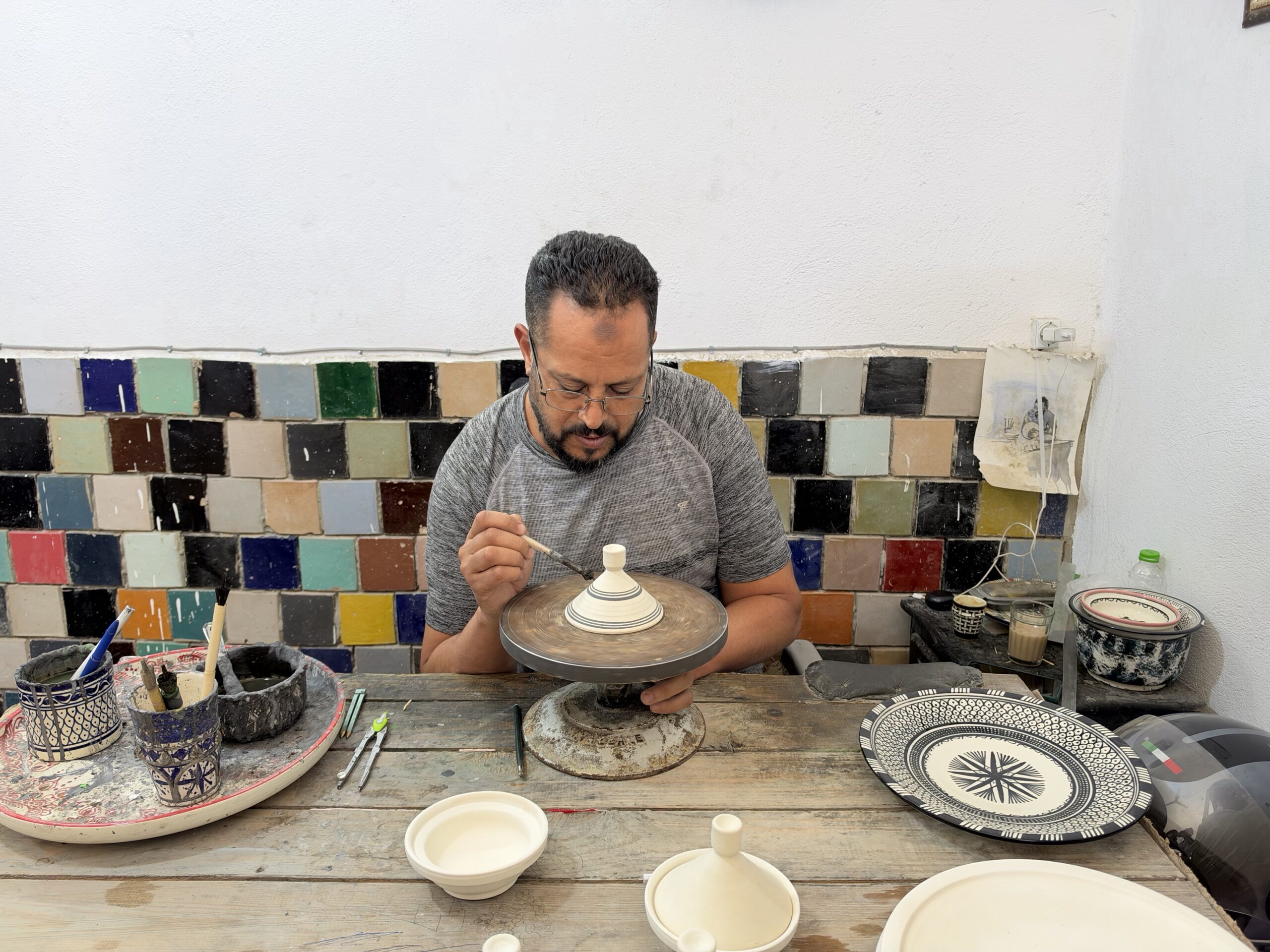
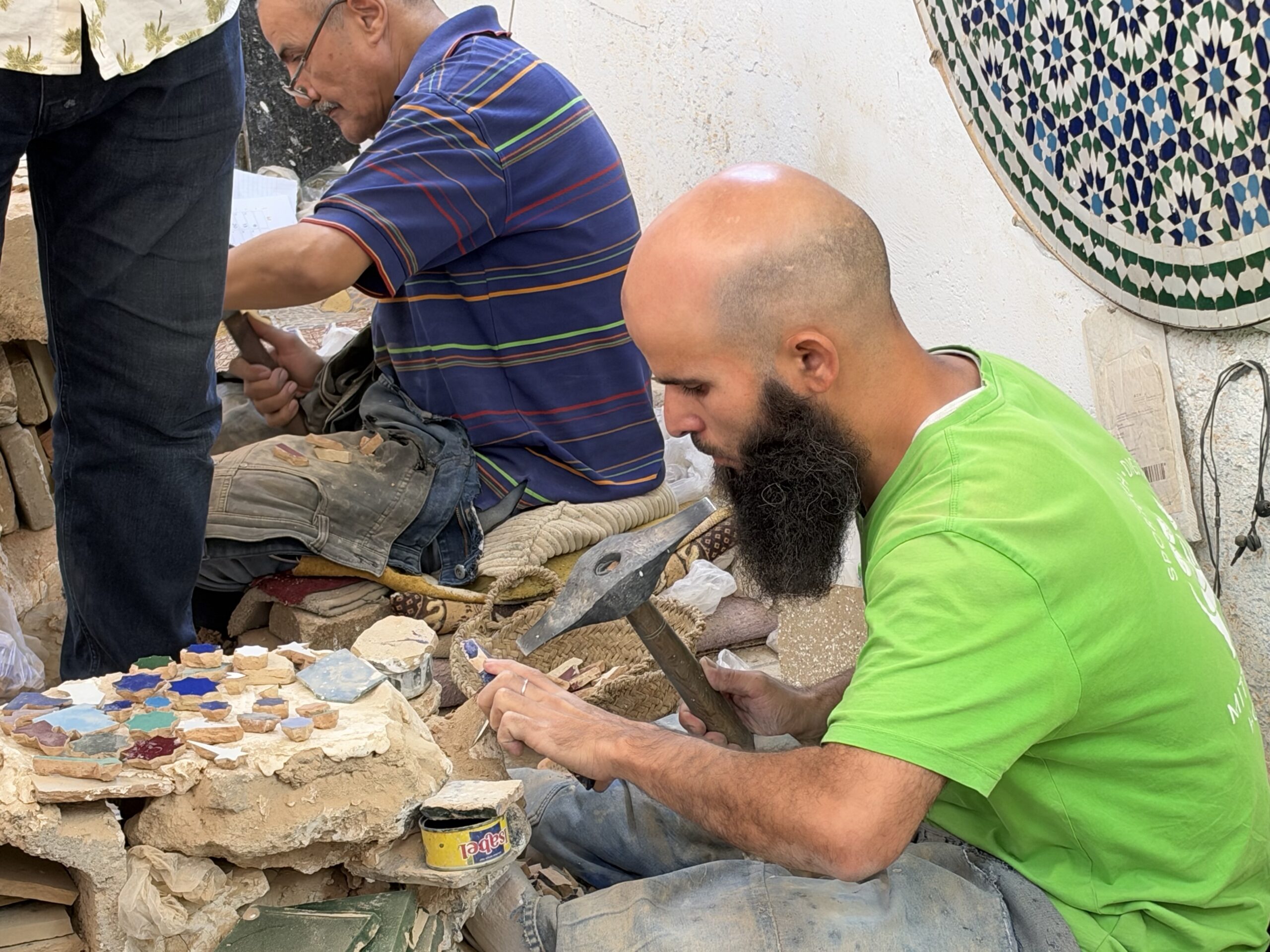
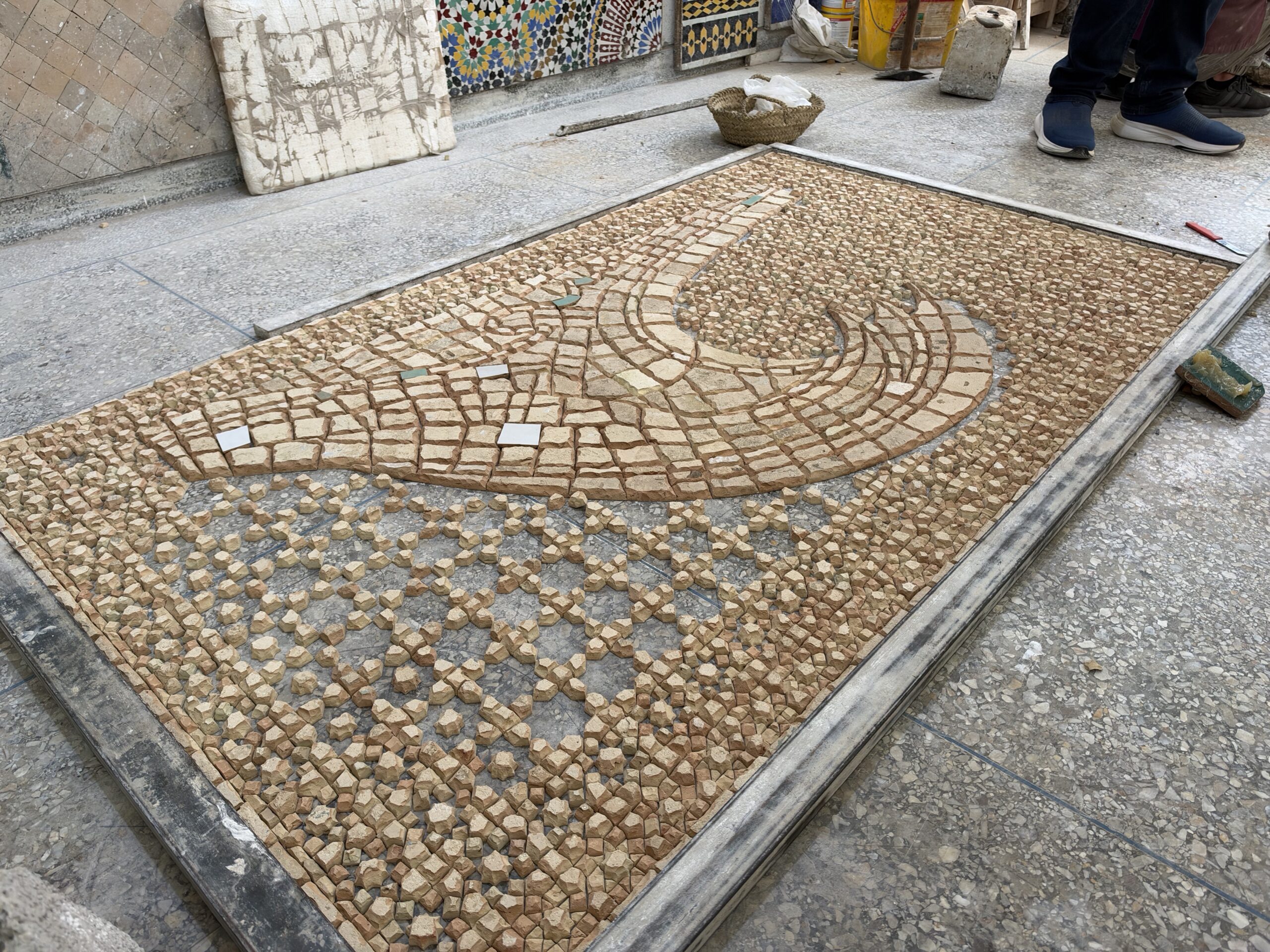
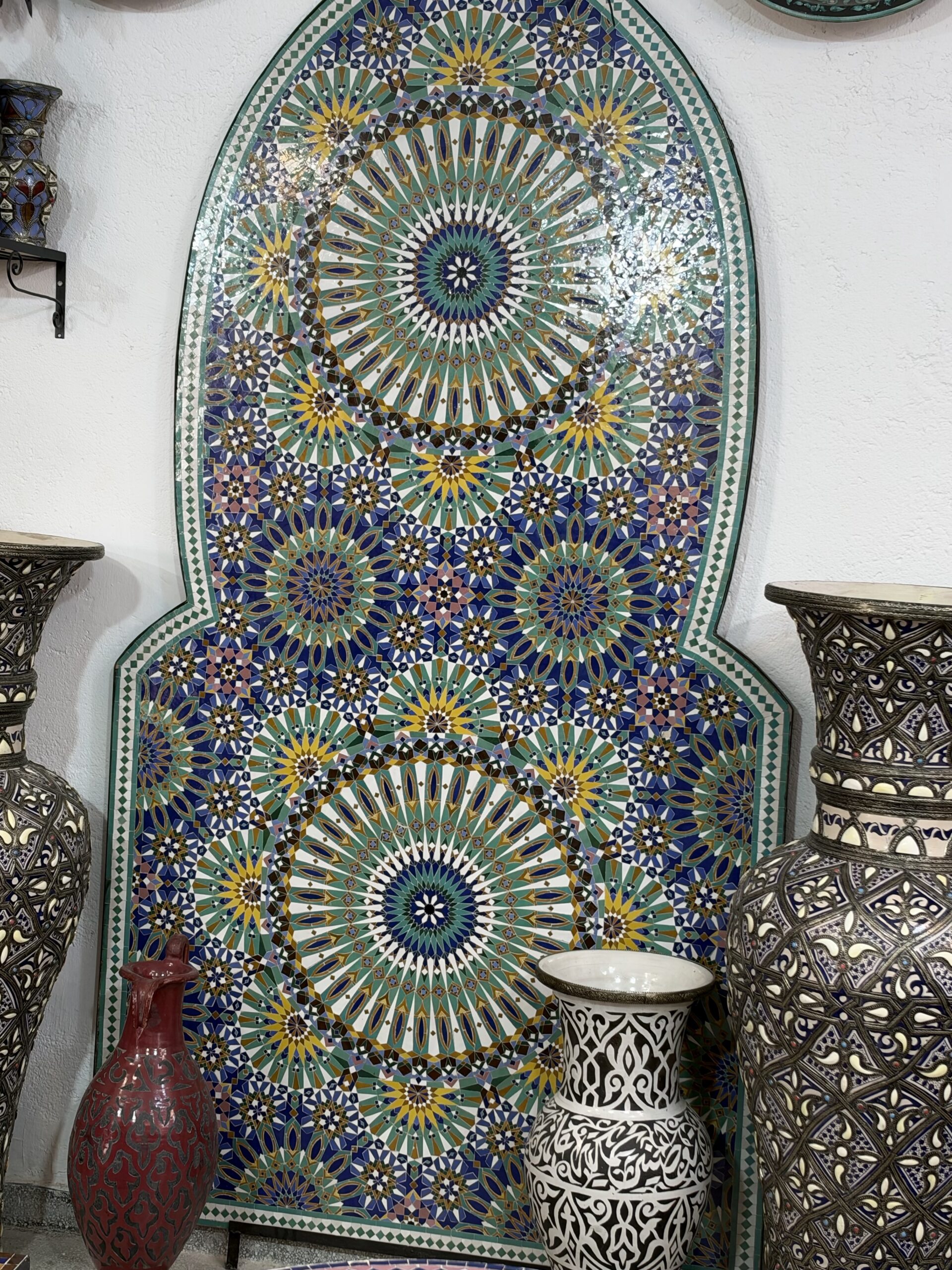
From Jewish history, we turned to the extraordinary artistic traditions of Fez. We watched skilled artisans shape clay on a potter’s wheel, transforming simple lumps of earth into beautiful vessels, including the distinctive tagines used in Moroccan cooking. We also learned how craftsmen create the intricate geometric mosaics that decorate so many of Morocco’s buildings. Each small piece is carefully shaped and fitted together to create elaborate patterns. The patience, precision, and artistry involved are remarkable.
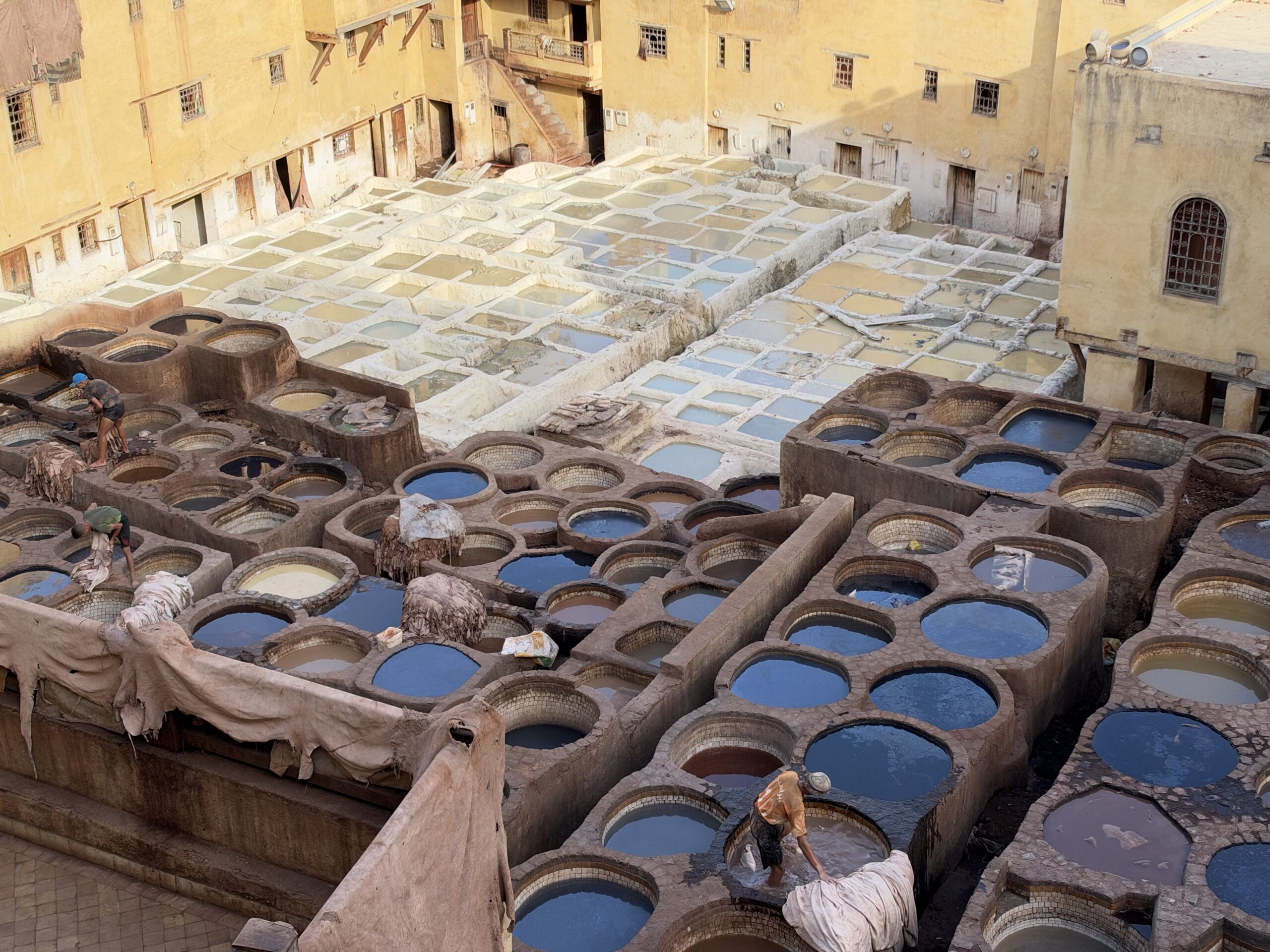
Our final stop introduced us to a very different kind of craftsmanship: the traditional leather tanneries of Fez. Here, workers labor in open-air pits, treating and dyeing animal hides using methods that have changed relatively little over the centuries. The work is physically demanding, the smells are powerful, and the conditions are difficult. Yet the resulting leather products are prized for their beauty and quality.
What struck me throughout the day was the extraordinary continuity of tradition. In the Jewish cemetery and the Mellah, we encountered the legacy of generations who sustained Jewish life in Morocco. In the pottery workshops, mosaic studios, and tanneries, we witnessed crafts and skills passed down through generations.
It was a fascinating day, offering us a deeper appreciation for the ancient Jewish experience in Morocco and for the remarkable cultural and artistic heritage of Fez.
Click on each image to enlarge.
From Fez to Rabat: A Journey Through History
Today we left Fez and made our way toward Rabat, Morocco’s capital. But before sharing today’s adventures, I want to mention something remarkable about Fez that I neglected to include in yesterday’s report.
Fez is home to the University of al-Qarawiyyin, widely regarded as the oldest continuously operating institution of higher learning in the world. It was founded in 859 CE by Fatima al-Fihri, the daughter of a wealthy merchant. She initially established a mosque that grew into a great center of learning. Over time, its curriculum expanded beyond religious studies to include astronomy, algebra (an Arabic word!), geometry, and other subjects.
Among the great Jewish scholars who lived in Fez was Rabbi Moses ben Maimon, better known as Maimonides or the Rambam. He spent several years here during the 12th century. Some traditions associate him with the university, although whether he actually studied or taught there is uncertain. What is clear is that Fez was a remarkable crossroads of Jewish and Muslim intellectual life.
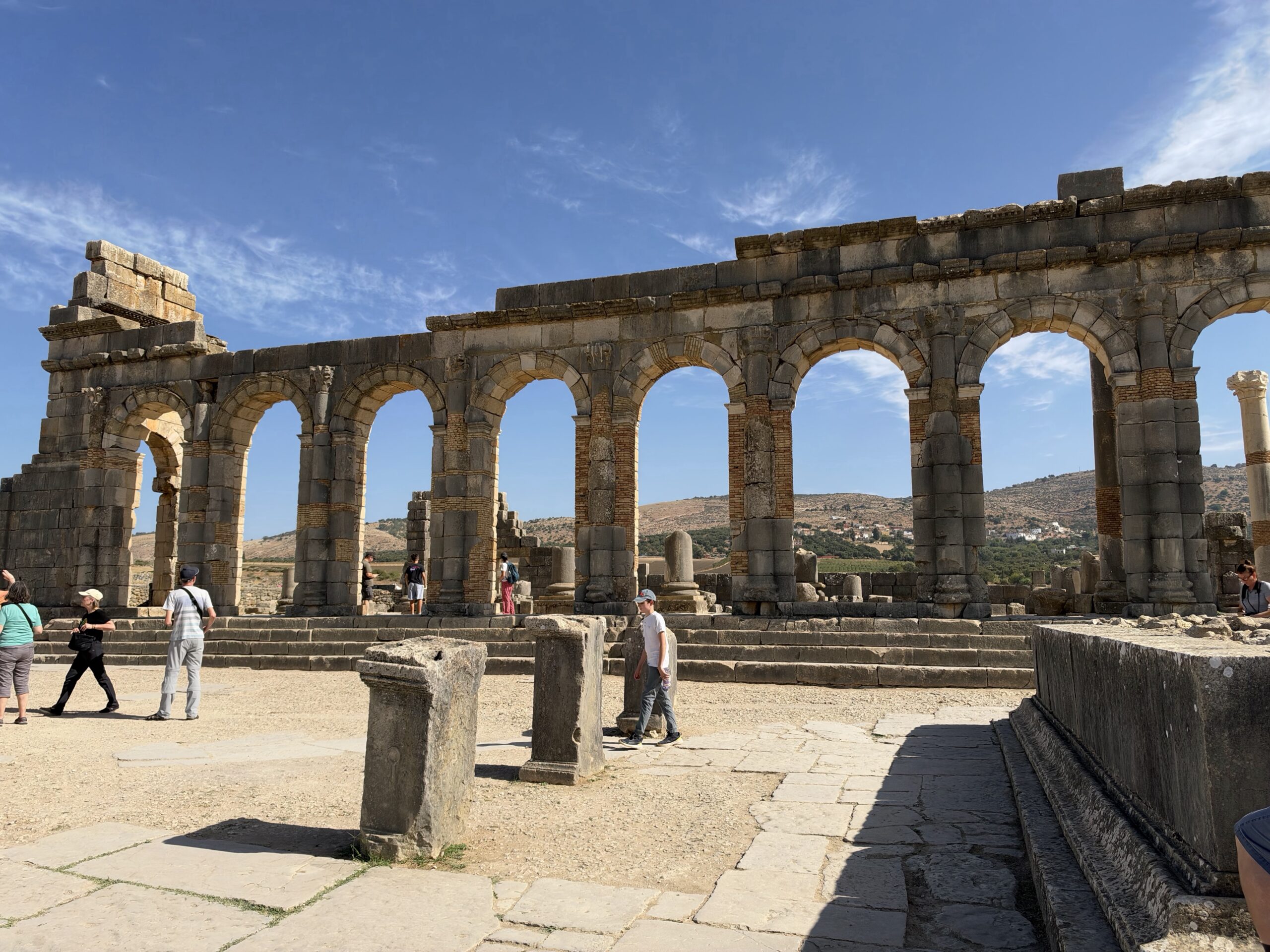
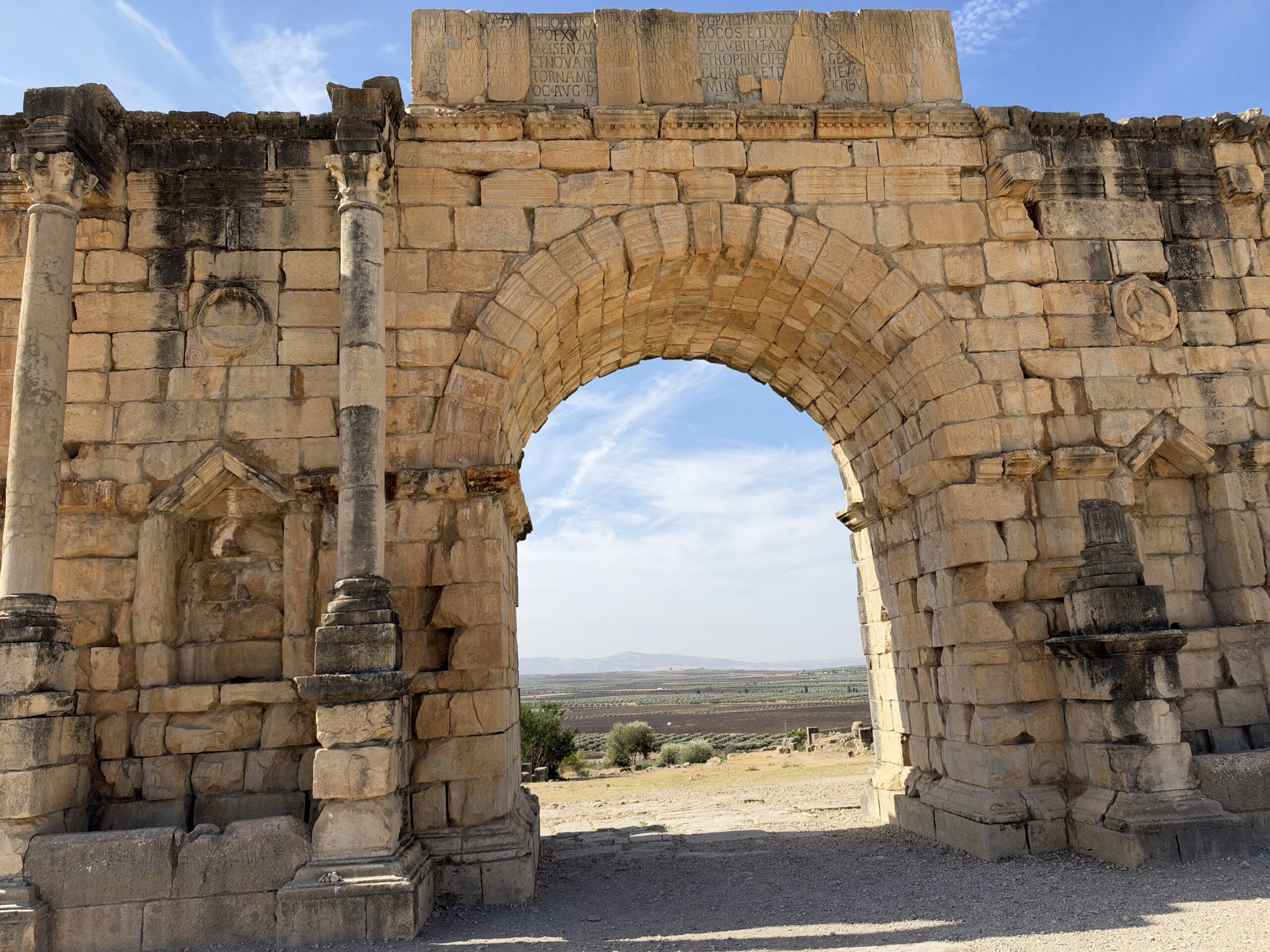
Today, on our way to Rabat, we stopped at **Volubilis**, the ruins of an ancient Roman city situated near the far western edge of the Roman Empire. The city was once home to several thousand people. Its remains reveal a striking contrast between the lives of the wealthy and those of ordinary residents. Some of the grand villas covered more than 18,000 square feet, while other families lived in far more modest homes.
One of the most fascinating discoveries was the dining room of a large Roman villa, where an elaborate mosaic floor remains remarkably well preserved. Archaeologists believe that couches once lined the perimeter of the room, allowing guests to recline while enjoying their meals.
For us, this immediately brought to mind the Passover seder. Why do we lean to one side when drinking wine and eating certain ritual foods? Because in the ancient world, reclining at a meal was a symbol of freedom and privilege. Those who were enslaved served; those who were free could recline. At our seder, we adopt this ancient custom to celebrate our liberation from slavery in Egypt.
It was extraordinary to stand in a Roman dining room nearly 2,000 years old and see the physical setting of a custom that remains part of our Jewish lives today.
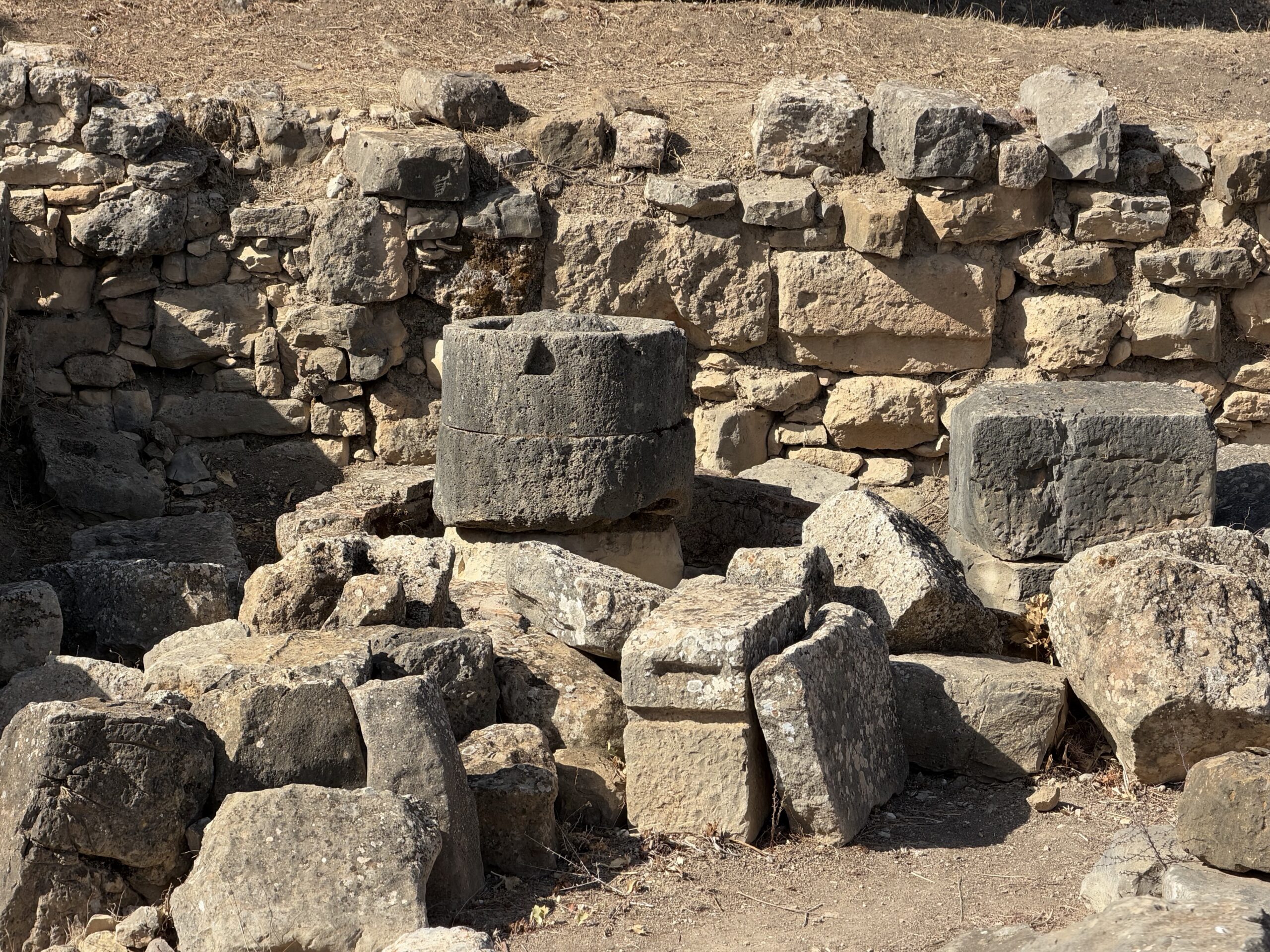
We also explored the places where the Romans pressed olives to produce oil and crushed grapes to make wine. These were not simply luxuries but essential parts of the ancient economy and everyday life. Walking among the ruins, it was easy to imagine a bustling community of families, merchants, farmers, and craftspeople going about their daily lives.
By the end of the day, we arrived in Rabat, Morocco’s modern capital. Tomorrow we will explore the city and discover more of the history, culture, and traditions that make this country so fascinating.
Each day of this journey seems to reveal another unexpected connection between the history of Morocco, the wider world, and our own Jewish traditions.
Click on each image to enlarge.